
Types of Port Wine: What Sets Each Apart and How to Pair Them Aboard on the Douro
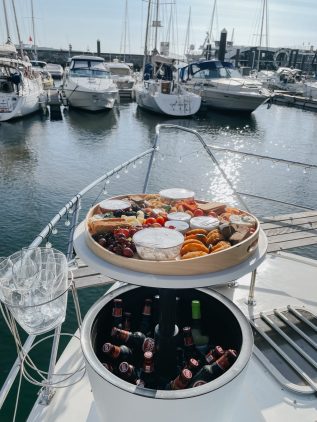
Ruby, Tawny, LBV, Vintage, White, Rosé, Port wine has far more than one face, and each style calls for a different companion on the plate. If the names on the label have always confused you, this guide sorts it out: what sets each type apart, how to recognise it in the glass, and which bites make it shine. And, while we are at it, we show you why a tasting aboard on the Douro is the best way to get to know them.
In short
- Port is a fortified wine (with grape spirit added) from the Douro region.
- It splits into two main ageing paths: in bottle (Ruby, LBV, Vintage) and in wood (Tawny), plus the White and Rosé styles.
- Each type has its own profile and pairs best with certain flavours, from chocolate to aged cheeses.
- Aboard, a guided tasting at sunset brings the wine, the snacks and the Douro scenery together in a single moment.
What is Port wine, exactly?
Port is a fortified wine: during fermentation, grape spirit is added, which stops the sugar from turning into alcohol. The result is a fuller, more alcoholic wine that is, in most cases, sweet, because part of the grapes’ natural sugar is preserved. It is born in the hillside vineyards of the Douro Valley and, traditionally, ages and matures in Vila Nova de Gaia, across the river from Porto.
The big divide is the type of ageing. Some wines mature protected from the air, in bottle, keeping their fresh fruit and vivid colour (the Ruby family). Others age in wooden casks, in slow contact with oxygen, taking on brownish tones and aromas of dried fruit and nuts (the Tawnies). Understanding this difference gets you halfway to choosing and pairing.
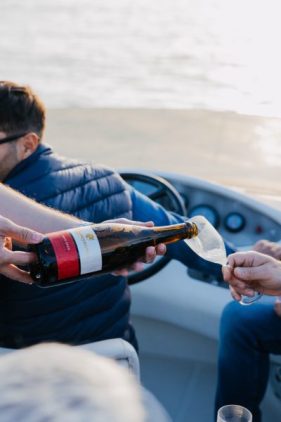
The types of Port wine, one by one
Ruby
The youngest and most straightforward Port. It ages for a short time, in tanks or large vats that limit contact with the air, so it keeps its deep red colour and a fresh-fruit profile, blackberry, cherry, red berries. Full-bodied, sweet and easy to love, it is a great starting point for newcomers.
Tawny
Here everything changes. Tawny ages in smaller wooden casks, slowly exposed to oxygen. Over time, the colour shifts from ruby to amber/brown and aromas of dried fruit, caramel, honey and spice appear. Some carry an indication of average age (for example, 10, 20, 30 or 40 years), reflecting a more concentrated, complex style. It is elegant and silky.
LBV (Late Bottled Vintage)
A wine from a single harvest that spends longer in wood than a Vintage before being bottled. It is ready to drink, without demanding years of cellaring or any great ceremony. It keeps the ripe fruit and structure of a good red, but with the sweetness and intensity of Port. It is the perfect middle ground between Ruby and Vintage.
Vintage
The top of the family. It comes from a single harvest of an exceptional year and spends very little time in wood: it is bottled young and matures in the bottle for years or decades. It is powerful, concentrated and full of layers. It usually forms sediment, so decanting before serving is recommended. A wine for a special occasion.
White
Made from white grapes, it comes in versions ranging from dry to sweet. Served chilled, it is the base of the famous Port Tonic (white Port with tonic water, ice and a twist of lemon or orange), a light, refreshing aperitif, perfect to start a late-afternoon cruise.
Rosé
The newest and most relaxed style. Fresh, fruity and with aromas of strawberry and raspberry, it is served well chilled, over ice or in cocktails. It is young, fun and a good entry point for anyone who finds Port too intense.
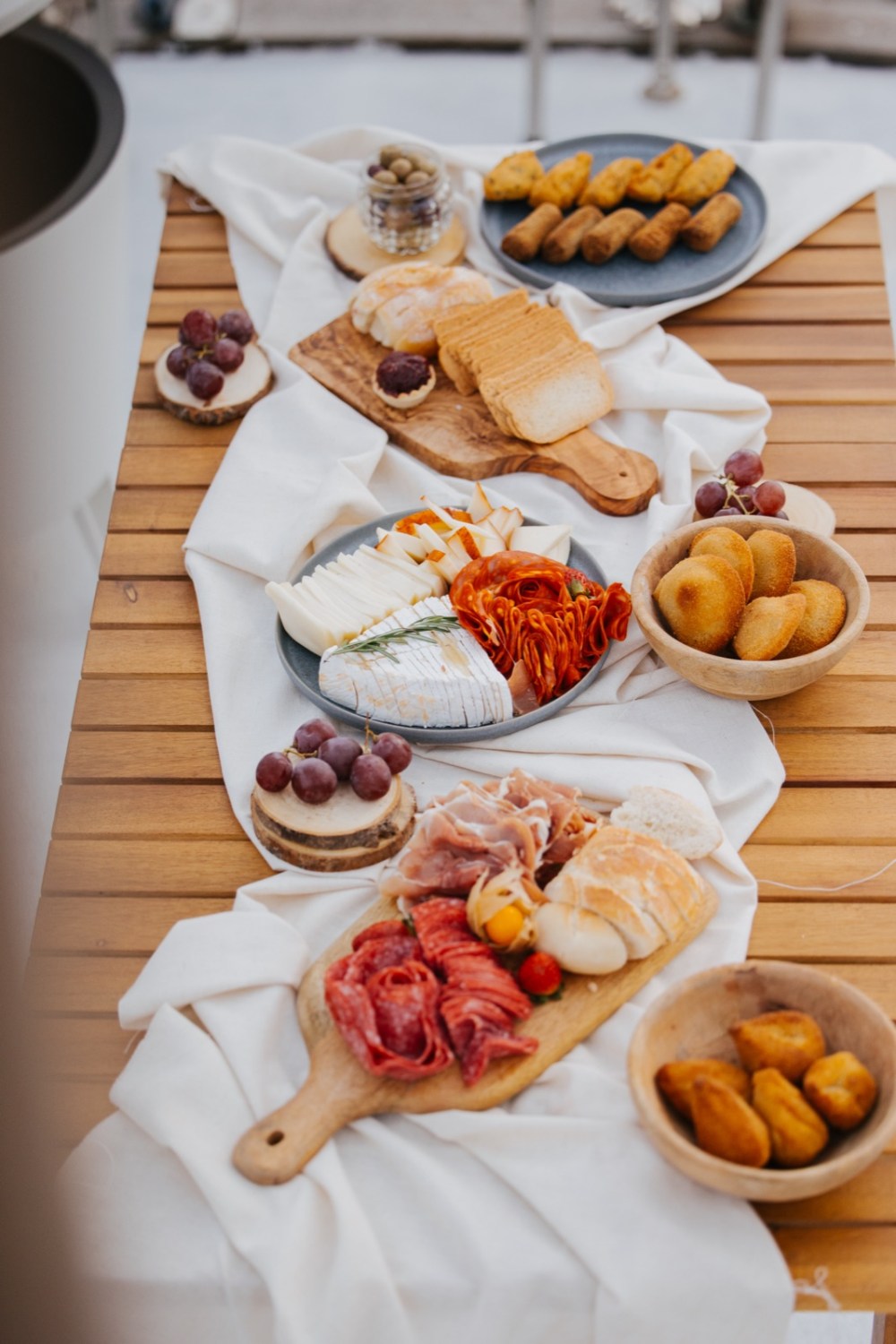
Pairing table: which bite with which Port
The golden rule is simple: balance the sweetness and intensity of the wine with that of the food. Use this table as a quick guide for your tasting:
| Type | Profile in the glass | Pairs with |
|---|---|---|
| Ruby | Young, fruity, vivid colour, sweet | Red-berry desserts, milk chocolate, chocolate cake |
| Tawny | Amber, dried fruit, caramel, silky | Almond, walnut tart, crème brûlée, aged cheeses |
| LBV | Ripe fruit, full-bodied, structured | Dark chocolate, intensely flavoured meats, strong cheeses |
| Vintage | Powerful, concentrated, complex | Blue cheeses, bitter dark chocolate, quiet moments |
| White | Fresh, dry to sweet | Aperitif (Port Tonic), nuts, savoury snacks |
| Rosé | Light, fruity, served chilled | Fresh fruit, light desserts, cocktails |
Tips for a good tasting
You do not need to be an expert to enjoy it. These simple touches make all the difference:
- The right temperature. Serve White and Rosé well chilled; Tawny slightly chilled; Ruby, LBV and Vintage closer to room temperature.
- The right glass. A glass that narrows at the top concentrates the aromas. Do not fill it to the brim, half a glass is enough for the wine to breathe.
- From lightest to most intense. Start with White or Rosé and finish with Vintage, so your palate is not overwhelmed early on.
- Look, smell, taste. Note the colour (it tells you the age and style), search for the aromas, and let the wine travel across your mouth before deciding.
- Decant the Vintage. If you open a Vintage, decant it to separate the sediment and release the aromas.

A wine tasting aboard, in the heart of the Douro
Reading about Port wine is good; tasting it with the river all around is something else. Aboard a private boat, we combine a guided tasting of the different styles with a board of regional snacks and the Douro scenery in the late afternoon. Glass by glass, you will grasp the difference between a young Ruby and an aged Tawny and discover which one is yours.
Every cruise is private and tailor-made: you choose the time, the route and the extras. Discover our boats and see all our experiences aboard so we can build the perfect tasting for your group.
Frequently Asked Questions
What is the difference between a Ruby and a Tawny Port?
Ruby ages for a short time, protected from the air, keeping its vivid red colour and fresh-fruit profile. Tawny ages in wooden casks, in slow contact with oxygen, taking on an amber colour and aromas of dried fruit, caramel and honey.
What does LBV mean in Port wine?
LBV stands for Late Bottled Vintage: a Port from a single harvest that spends longer in wood before being bottled. It is ready to drink, without needing the long cellaring of a Vintage.
What food pairs with Port wine?
It depends on the style: Ruby goes well with red-berry desserts and chocolate; Tawny with dried fruit, caramel and aged cheeses; LBV and Vintage with dark chocolate and strong cheeses; White works as an aperitif and Rosé pairs with fresh fruit.
Is Port wine always served at room temperature?
No. White and Rosé are served well chilled, Tawny slightly chilled, and the Ruby, LBV and Vintage styles closer to room temperature. The right temperature brings out the aromas of each type.
Can I do a Port wine tasting aboard?
Yes. Aboard we organise guided tastings of the different styles, paired with a board of regional snacks, on a private cruise along the Douro. It is the most complete way to get to know Port wine.
